What does it mean to lead with curiosity over expertise?
How can we make our schools places where the adults like to come to work?
How can school leaders build a presence that feels more supportive, less policing?
About This Guest, Dr. Danny Steele
Danny is a former award winning principal who speaks to educators around the country about the difference they make for kids. He’s also the author of several best-selling books for educators, including The Instructional Leader in You: 10 Strategies for Every School Leader, Essential Truths for Principals, and The Total Teacher: Understanding the Three Dimensions that Define Effective Educators.
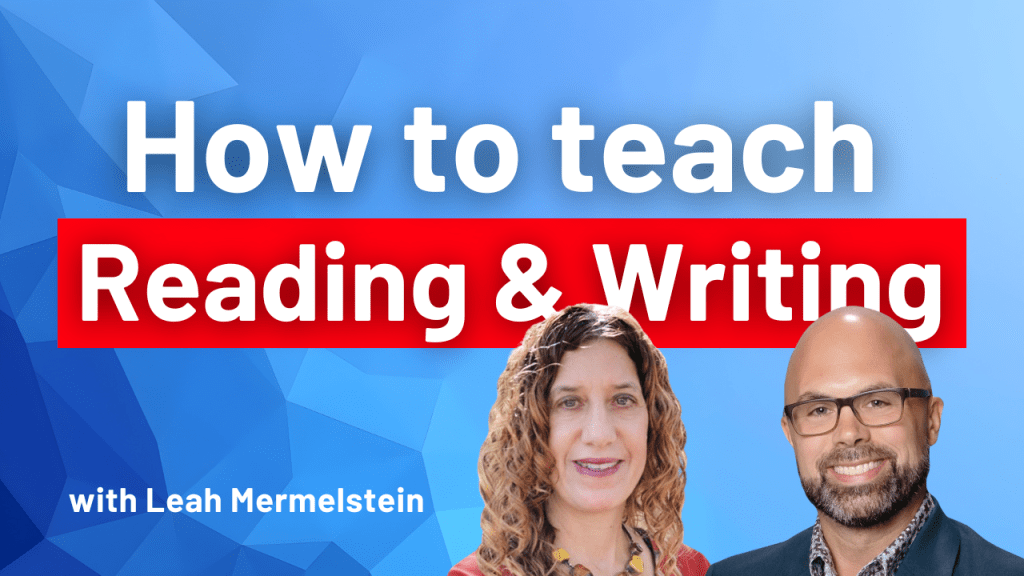
How should we approach the tensions around the Science of Reading?
What does the art of teaching literacy look like in today’s classroom?
How can we set up our students for successful independent writing?
About This Guest, Leah Mermelstein
Leah collaborates with school districts, educational professionals, learning organizations, and families to enhance K-6 literacy instruction and promote literacy development.
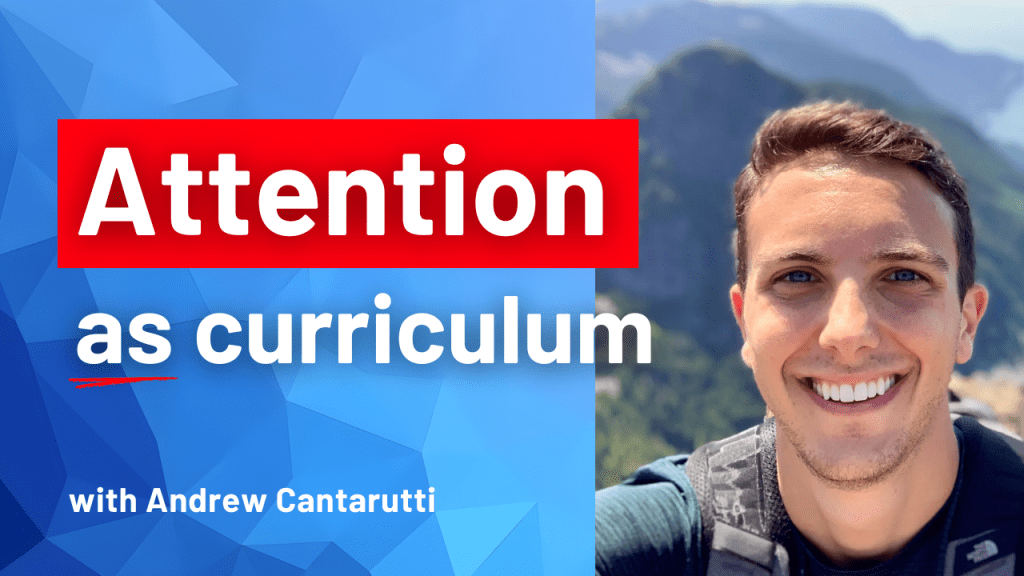
→ Why must attention become the curriculum of our schools?
→ How are classrooms disrupting student attention and learning?
→ What is the important choice that our schools and districts must make?
About this guest, Andrew Cantarutti
Andrew is an educator and writer with over a decade of experience teaching in public and private schools across Canada and the world. His work bridges classroom practice with educational theory, drawing on insights from philosophy, developmental psychology, and cognitive science to reimagine how learning environments can cultivate focus, depth, and intellectual resilience.
It’s not about a number. It’s about a new identity.
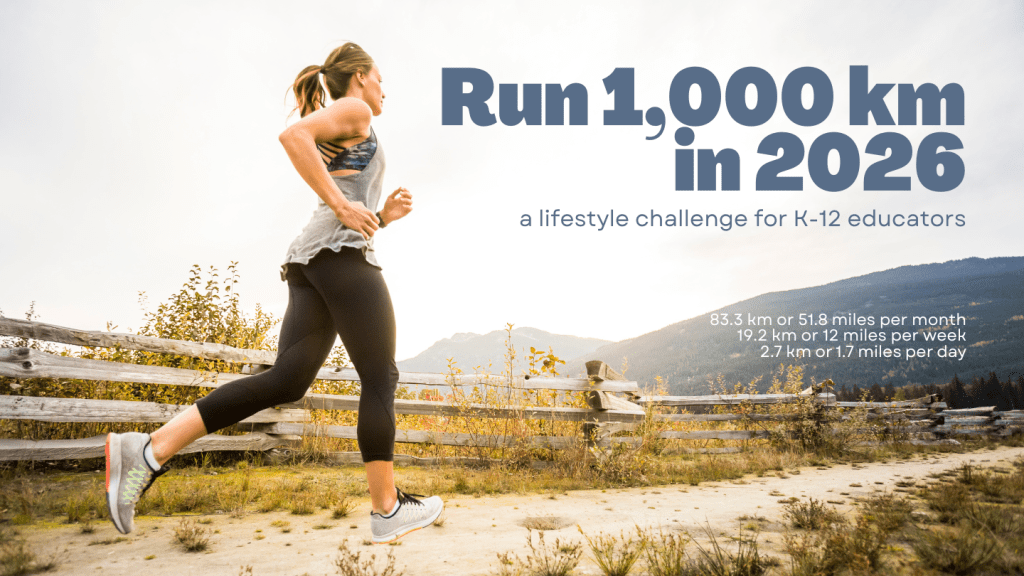
I’m inviting you to run 1,000 kilometers (621.4 miles) this year.
Yes, you.
You, the reluctant runner.
You, the teacher who “doesn’t do that.”
Trust me. This is possible. I’ll break down the math in a minute, but for now I’ll just say this: you’ve got this in you.
Listen. Ignore the 1,000 for a second, because this challenge is actually not about achieving a lofty number.
It’s about changing your identity.
It’s about permanently altering who you are and what you believe about yourself.
It’s about adjusting how you show up and operate in the world, week in and week out.
Your WHY
You’ve been wanting to do something about your health for some time now.
You know you should weigh about 20 pounds less than what you do.
Your blood pressure should be lower.
Your breathing should be stronger.
Your energy should be higher.
You want to be more emotionally generous with the people closest to you.
Your body is starting to show signs of distress, and you aren’t getting any younger.
I’m there too.
The power of challenges and goals — even when we fail
I first became a believer in health challenges for educators in 2021. It was the dark heart of COVID times, and educators were ready for anything that would offer some hope.
I challenged myself and my fellow educators to complete 10,000 push-ups that year.
It seemed like a ridiculously audacious number, but over 150 educators joined the challenge and agreed to log their push-ups in a single Google Sheet. At a time when everything in life was awful, this was great fun. (Check out this montage of educators doing their push-ups.)
Many of them hit the 10,000 push-ups mark long before year’s end, and I was one of them.
It turns out that when you do an increasing number of push-ups every day, they get easier and easier.
The habit becomes your new normal.
And the required daily average of 27.4 push-ups became cute — nothing like the imposing threat it seemed on January 1st.
That’s what I want to happen in 2026 with the 1,000 km challenge.
Yes, I posed this challenge last year.
Yes, I failed to meet it.
But my “fail” was also a new personal best: the 560 kilometers I ran on the year blew my previous years out of the water.
I ran far, far more in my 47th year than I had ever run in my life.
That fail tastes like a win, and I want more of it.
You’ll enjoy the supportive community on Strava
One reason that I never embraced running for many years of my adult life was the solitary nature of it.
I leave my house.
I jog somewhere.
No one knows, sees, or cares.
Yes. Part of being an adult is doing what matters — regardless of whether anyone sees or cares. But we all gain strength from the affirmation and encouragement of others. You’re naive to think otherwise.
And what I’ve found on Strava is that whenever I log a run, friends and colleagues are there to support me. That means a lot.
The math
Here’s how much you’ll need to run on average to complete the 1,000 kilometer challenge.
83.3 km or 51.8 miles per month
19.2 km or 11.9 miles per week
2.7 km or 1.7 miles per day
Focus on the number that seems most attainable to you. For me, that number is 19.2 kilometers per week. That number gives me confidence. I know I should be able to do that in a few good runs.
Now let’s get out there and DO THIS.
Congratulations to last year’s finishers
I want to congratulate the 12 educators who attempted this challenge in 2025.
We gave this a good shot, colleagues. Four were successful and deserve a ton of credit: Chris Kennedy , Edmond Chin, Edwin Leung, and Vanessa Neufeld. They inspire me greatly, and I’m glad to see that each has returned for another year.
How to join us on Strava
To join the Educators Challenge on Strava, you’ll need to do the following:
Be a K-12 educator or directly support K-12 education in some way.
Create a Strava account (I recommend logging in with Google).
Look up “Tim Cavey” and connect with me — or anyone else that you know is currently in the Educators Challenge.
Comment on anything that I post on Strava to say “Add me to the challenge!” I’ll make sure to connect with you and send you an invitation.
Note that group challenges may require a premium subscription. Upgrade to a premium account (I have no affiliation with Strava). This may cost as high as $15/month, but in my mind, that’s a paltry price to pay if it motivates me to live a healthier lifestyle. One of the best subscription values out there, frankly.
Wishing you a great 2026
Whether you accept this running challenge or not, fellow educator, I’m wishing you a healthy and sustainable year. Take care of yourself out there. We need you to be well.
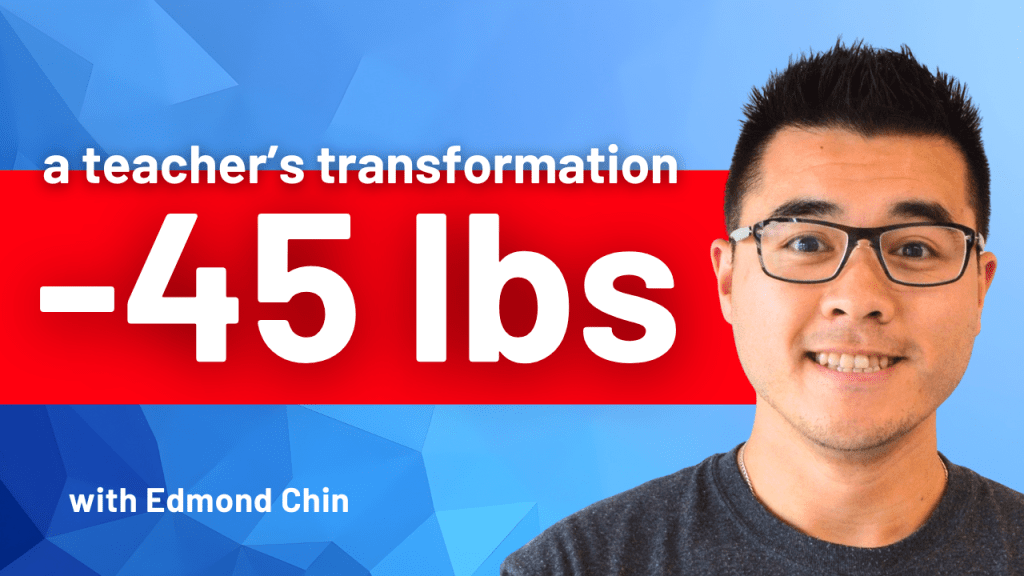
How did a new running habit transform one educator’s life?
What’s brewing in the coffee world, and what is one bean that we need to try?
How can we take our own next steps of personal and professional growth in 2026?
About this guest, Edmond Chin
Edmond is a runner, coffee connoisseur, and high school teacher in Vancouver, Canada. He’s also a colleague and personal friend of the host, Tim Cavey, which makes this episode extra special.
Connect with Edmond
on LinkedIn,
on X @EdmondC87, and
on Instagram @edmondc87
In This Conversation
0:00:00 – Edmond Chin is a runner, coffee connoisseur, and high school teacher in Vancouver.
1:35 – Edmond’s running story: how and why it started



 Teachers on Fire