• Episode 67 – Dr. Erik Youngman

    67 - Dr. Erik Youngman

    Guest Profile

    DR. ERIK YOUNGMAN has been a first grade teacher, assistant principal, and principal. Today, he’s the director of curriculum, instruction, and assessment for the Libertyville School District in the Greater Chicago Area. He advocates for continuous learning, feedback, growth mindset, metacognition, innovation, and visible learning. Follow Dr. Erik on Twitter @Erik_Youngman.

    The Challenge of Change

    Although his career has been overwhelmingly positive, change is a theme that must be continually addressed. Change can lead to either low moments or tremendous opportunities. Organizational change can spark awesome professional conversations but also requires learning mindsets, shared vision, collaboration, communication and a clear understanding of why the change is being put in place.

    Growth Mindset

    Adopting a growth mindset requires a powerful shift in thinking. Don’t just learn from mistakes; reflect throughout the day and seek feedback to spark learning from every activity for continuous improvement. Even if you’re performing well in an area, careful scrutiny and reflection can lead the further growth and development.

    When teachers create, model, and use common vocabularies, it equips students to better reflect and gain more insights from their own learning journeys. When students and teachers are empowered to reflect and self-regulate, make choices, take ownership, and monitor their own progress.

    The Possibilities in Education Today

    What really excites Erik about the state of education today is the tremendous opportunities for learning among educators today. Books, journals, Twitter, conferences are fuelling so many powerful conversations around technology, equity, personalized learning, student choice and voice, and competency-based learning. In his position he is honored to be involved in many of these conversations, which are shaping education today and for the future.

    Professional Goals, Passions, and Productivity Hacks

    In terms of professional growth in 2019, Erik is ready to take some risks. His goal is to share his perspectives and learning with other educators more than he has in the past. This interview is a good start! He’s also presenting at the ASCD conference in March, he’s writing an article about homework for an online magazine, and he’s exploring a collaborative effort on a book with other authors as well.

    Erik is a big sports fan, but another area that intrigues him is that of leadership. He loves to study successful leaders and pays close attention to their activities, quotes, and recommendations.

    His productivity hack is all about maximizing time. He calls his workouts “multitasking education research exercise.” He listens to education and leadership podcasts at maximum speed which allows him to consume a large amount of content as efficiently as possible. He also takes notes on his phone to remember innovative ideas and resources worth pursuing further.

    Voices & Resources That Inspire Erik’s Professional Practice

    On Twitter, Erik recommends following @GeorgeCouros for a constant source of reflection and inspiration.

    An edtech tool that does so much for learners and learning in Libertyville right now is Google Slides. If you like Slides, you’ll really love this Slides add-on: Pear Deck. Follow Pear Deck on Twitter @PearDeck.

    Dr. Erik has two book recommendations, both of which have been instrumental in his own learning journey and dissertation. The first is called Rethinking Homework, 2nd Edition: Best Practices That Support Diverse Needs by Cathy Vatterott.

    The second is called On Your Mark: Challenging the Conventions of Grading and Reporting – A Book for K-12 Assessment Policies and Practices by Thomas Guskey.

    Follow these two authors on Twitter @RealHomeworkldy and @TGuskey.

    Over in the education podcast space, Dr. Erik recommends Better Leaders Better Schools by @AlienEarbud and The Wired Educator by @WiredEducator.

    Follow Dr. Erik

    If you’re interested in hearing more from this guest follow Dr. Erik on Twitter @Erik_Youngman.

    Subscribe to the Teachers on Fire podcast on your mobile device.

    iTunes | Google Podcasts | Spotify

    Follow the Teachers on Fire podcast on social media.

    Song Track Credits

    Listen on YouTube and subscribe to the Teachers on Fire channel.
  • Compliance is Not the Mission

    “Control leads to compliance; autonomy leads to engagement.” — Daniel Pink

    Teachers love it when their students are compliant. What’s not to like about it? It makes their jobs easier.

    Even as assessment practices continue to move away from marks and toward standards-based grading, some stubbornly cling to the idea that assessment should reflect obedience to the rules of school. Nowhere is this more true than in the gym, where many PE teachers still assess students entirely on attitude and effort (ie. compliance), ignoring standards-based assessment.

    The more you obey, the higher your mark.

    But that’s a whole other post.

    The truth is that there’s little correlation between compliance and learning. In fact, many of the characteristics of growth that we look to see in our students don’t fit at all within cultures of compliance. Risk-taking, self-advocacy, creativity, design planning, tolerance for ambiguity, critical thinking, and an innovator’s mindset aren’t welcome when the only objective is to follow the rules.

    Ouch.

    Playing the Game of School

    Compliant students are masters at playing the game of school. They’re great at coloring within the lines. They follow instructions meticulously and without a hint of pushback. They’re the students who most frequently ask teachers questions like these:

    • “Do you want this in pen or pencil?”
    • “How many words does this need to be?”
    • “Can I change the font for this assignment?”

    These are the students who obsess about performance details, so visibly anxious about violating one of our all-knowing wishes that they cannot rest until they are assured that they 1) have crystal clarity on the rules of the task and 2) are playing safe within those rules.

    A part of that behavior is endearing, almost. Like I said off the top, absolute compliance makes our jobs as teachers easier. As in a dictatorship, citizens who keep their heads down and obey without question are easier to manage and control.

    And yet it’s when we frame compliance in political paradigms like these that we begin to see the problem. We know that critical thinking, resistant journalism, and protest movements are all essential to the health and function of vibrant democratic systems. It’s when too many citizens shut up and do nothing that power runs amok and abuses multiply like disease.

    Give Autonomy When Possible

    As teachers, we can’t give up 100% control in our classrooms. For the good of our learners, our little nation-states might still operate closer to benevolent dictatorships than pure democracies where every decision is made by referendum.

    But we can take baby steps toward sharing more of our control and giving more autonomy than we have in the past. Allowing — even requiring — our students to become agents of their own learning, to become masters of creative decision-making, to evaluate their own learning critically.

    Practically speaking, we can share control by giving students greater voice and better choices, by allowing them to co-create assessment tools, by inviting them deeper into the assessment process through more self- and peer assessments, by allowing them to follow their own curiosities and direct their own learning through models of inquiry.

    When we share more control and give more autonomy, we’re creating an environment where “Why are we doing this?” is not regarded as a threat to be stifled but a thoughtful invitation to a healthy conversation.

    When I think about what’s important for our learners, I keep coming back to the 4 Cs: creativity, critical thinking, communication, and collaboration.

    Compliance isn’t on that list.

    Because building a culture of compliance isn’t the mission.


    by @MisterCavey

  • Episode 66 – Dr. Sarah Thomas


    66 - Dr. Sarah Thomas

    Guest Profile

    DR. SARAH THOMAS is a regional technology coordinator in Maryland and serves as affiliate faculty at Loyola University. In 2014, Sarah founded the EduMatch Project, and she has spoken and presented at numerous conferences since. Find out more about Sarah on her blog and follow her on Twitter at @sarahdateechur.

    The Challenge of Finding the Right Fit

    Sarah’s first three years in education were the hardest of her career. She came through alternative certification after completing a bachelor’s degree in radio, television, and film. As she began her undergraduate work, Sarah’s mother became a middle school teacher, and Sarah was impressed.

    After graduating with her bachelor’s degree in media, she enrolled in a Master’s of Education program. Early into her Master’s studies, she responded to an ad calling for teachers in her district. Once she finished her training program, she found it a challenge to find the right placement in the district. It was discouraging at first to try to figure things out and adapt to different school cultures, but the support of her family and the meaningful relationships she was building with students propelled her through.

    The Vision and Mission of EduMatch

    EduMatch started from a conversation Sarah had on Twitter, when she connected two educators with unique passions and interests that matched the other’s. That’s what it’s about: learning and growing together, helping others on their education journeys, and leveraging the power of stories. Through its publishing work, EduMatch amplifies the voices of students and educators who have a story to share. A series of crowd-sourced books have led to solo projects, with five solo titles published in 2018 and more on the horizon. If you’re an educator interested in contributing to the 2019 edition of EduMatch’s annual Snapshot in Education, complete this form.

    Passions, Goals, and Creativity

    Social media has opened incredible opportunities for educators around the world. The democratization effect created by the internet now allows every educator to find their own voice and share their own learning journey. The old paradigm of established voices and gatekeepers has shifted, and as the sharing increases, the professional learning accelerates. This democratization also opens up new possibilities for learning with and from students, which is equally exciting.

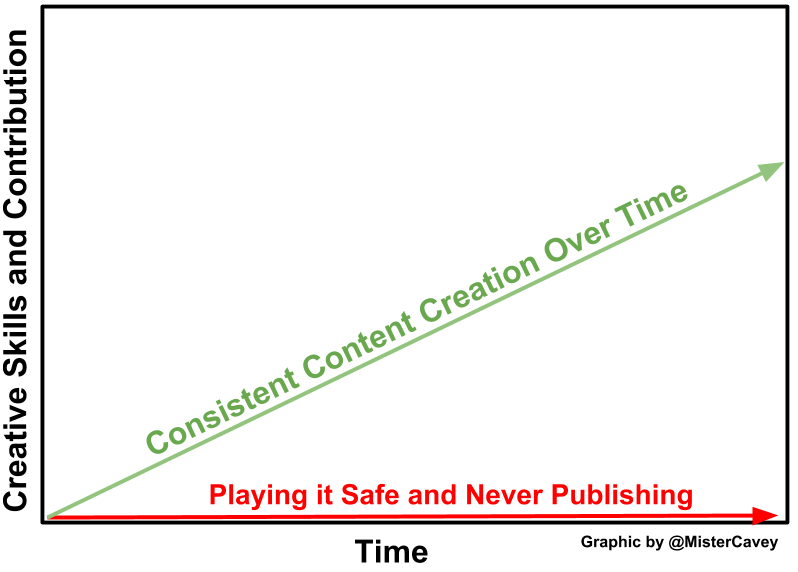
    In terms of professional growth, Sarah is hoping to get back to producing more content this year. She argues that when we share what we’re doing, what we’re doing well, and what we are trying to improve, the act of publishing helps to give us the valuable feedback that we need to direct our next steps. Over the past year, Sarah was able to collaborate on Closing the Gap: Digital Equity Strategies for Teacher Prep Programs, and now that she’s got the writing bug she feels ready for more!

    Outside of her work in education technology, teaching, and publishing, Sarah is most passionate about music. She’s enjoyed listening, playing, and learning musical instruments for as long as she can remember, and she’s excited by the prospects of bringing more music back into her life in 2019.

    Voices & Resources That Inspire Sarah’s Professional Practice

    If you’re looking for passionate educators to add to your PLN, Sarah invites you to check out the Awesome Table of EduMatch. Find educators around the world who are working in the same spaces you are.

    Sarah’s edtech tool recommendation for educators is Voxer. Get in and get connected! Follow Voxer on Twitter @Voxer.

    The book that is most meaningful to Sarah at the moment is one written by her father! She’s working through it on her Kindle at the moment and it’s giving her a fascinating understanding of her family’s history.

    One education podcast that Sarah has been tuned into for some time is the The Dr. Will Show. The show is hosted and produced by Will Deyamport, with a focus on edupreneurship: serving other educators well while producing an income as well. Follow the host of the show on Twitter @IAmDrWill.

    Sarah has two YouTube recommendations to share. The first is The Mr. Wasko, an educator who creates fun similes and metaphors from movies and pop culture. The second pick is purely for fun: Zach Morris is Trash – a serial that appears on the Funny or Die channel. Follow these channels on Twitter @FunnyorDie and @TheMrWasko.

    Finishing her doctorate has allowed Sarah to enjoy a season of reduced demands, leisure, and rest. On Netflix, she’s been enjoying Wentworth.

    We sign off on this conversation and Sarah shares the best ways to follow her and EduMatch online. See below for details!

    Follow Sarah …

    Subscribe to the Teachers on Fire podcast on your mobile device.

    iTunes | Google Podcasts | Spotify

    Follow the Teachers on Fire podcast on social media.

    Song Track Credits

    Listen on YouTube and subscribe to the Teachers on Fire channel.

  • Good Teachers Take Risks

    “Successful teachers endure the vulnerability of being a learner and take risks to provide the most effective instruction to their students.”  —  @torreytrust

    Photo by @AlexRadelich

    I was doing some research this summer and came across an article written by Dr. Torrey Trust titled Professional Learning Networks Designed for Teacher Learning.

    The headline seemed simple enough. There’s nothing particularly revelatory about the power of solid PLNs (even though there’s still an absurdly high number of teachers who aren’t connected anywhere outside their own school, but that’s a post for another time).

    But then, near the end of the article, came the quote. Here it is again:

    “Successful teachers endure the vulnerability of being a learner and take risks to provide the most effective instruction to their students.”

    Yes and YES.

    Think about what we want to see in our learners. Curiosity. Hunger for improvement. Grit in the face of difficulty. Tolerance for ambiguity. Imaginative design. Creative innovation. Problem-solving. Growth mindset.

    Too often, though, teachers don’t do the hard work of modeling this for our students. We settle for staying sane. Running a tight ship. Checking all the boxes. Getting the job done.

    And we mean well. I mean, we’re all in this because we care about kids, right? But comfort creeps in. We fall in love with our pet systems. And the Mr. Cavey of 2019 starts to look, sound, and act an awful lot like the Mr. Cavey of 2018.

    What we pride as consistency actually makes us grow stale. We stagnate.

    Learning involves risk.

    Is learning actually risky behavior? Of course it is. Whether it’s serving a volleyball, dancing the tango, or writing a blog post, the process of learning risks discomfort, fallibility, and public failure.

    We’ve all seen (or been) people who make the choice for safety. People who absolutely refuse to play volleyball, step out on a dance floor, or publish their thoughts. People who refuse to try a new application, or travel somewhere unfamiliar, or ask their crush out on a date.

    I’ve had students like that.

    And I’ve been like that.

    Safety. It’s a slow death.

    This year, let’s commit to being vulnerable. Let’s commit to taking risks in front of our students. Let’s reject the safety of the known for the vulnerability of learning.

    Because in the end, we can’t expect from our students what we aren’t prepared to do ourselves.

  • Episode 65 – Kate Lindquist


    65 - Kate Lindquist.png

    Guest Profile

    KATE LINDQUIST is the founder of PeaceLoveArt, which is all about “Enriching heARTS thru self expression and soul connection.” With a Master’s degree in Education, Kate is a passionate educator, artist, consultant, speaker, and contributor to @DisruptEDTV. Follow Kate on Instagram and Twitter @heARTISTatWORK.

    Kate teaches in West Palm Beach, FL. She grew up in this county and always attended public schools in the area as a child. Today, she’s motivated to promote arts education, particularly in areas and with learners who are often overlooked. Although her K-8 students come from a wide socio-economic spectrum, she says “no matter what, they all just need love.”

    Overcoming Adversity

    Kate recalls the frustration of being the art teacher and yet being asked to cover teaching assignments for absentee teachers, monitor the computer lab, and fill in wherever needed around the school. Although she loves to be in the classroom, she began to feel like her passion and the place of art wasn’t being valued the way it deserved to be. This experience led to her new mission and the vision that is PeaceLoveArt.

    The Mission of PeaceLoveArt

    PeaceLoveArt exists to help people of all ages find their voice and let it be heard in a creative manner. Kate strives to help students develop their self-expression as an important companion to other academic areas and an essential area of growth. She wants people to see that the arts are a gateway to curiosity and learning in general.

    Goals, Passions, and Productivity

    Kate gets excited today when she sees all the passionate educators who are pushing for systemic changes and progressive transformation in education policy. She feels like this is a time when educators are rising up and saying “policy-makers, let us show you what we can do.”

    Kate’s biggest goal is simply to heal more hearts through self-expression. To do that, she plans to seek out more corners where learners of all ages can benefit from PeaceLoveArt. She also plans to continue her own learning and development through books and active involvement on Twitter. Since arts education doesn’t always the same levels of professional development that other academic areas enjoy, it’s important for art teachers to take the initiative and derive learning from a strong PLN.

    Kate describes herself as insatiably curious – wherever there’s learning to be done, she’s there. One area that has really captured her curiosity lately is the realm of science. In particular, she’s been enjoying a show called One Strange Rock. The show’s been blowing her mind with incredible facts about our home planet. Whether it’s learning new phrases or getting into meditation, she just enjoys following her interests and “whatever tickles her insides” to see where the learning leads.

    In order to stay productive and creative, Kate thrives on checklists, and she keeps an ideas list handy at all times. Her ideas list is made up of anything that captures her fancy that she wants to return to later. As one of her grad professors told her, “Always keep an ideas book with you, because you never know when inspiration is going to strike.”

    Voices & Resources That Inspire Her Professional Practice

    On Twitter, Kate’s recommendation is @TracyScottKelly. He’s been a friend, mentor, a source of constant encouragement, and someone dedicated to making positive changes.

    Kate’s favorite creative apps right now include Canva, PixArt, GIF Maker, and Pixaloop.

    Kate’s book pick is Einstein’s Dreams. She’s read it through a few times and it blows her mind every time.

    For podcast picks, Kate points us to The Ed Podcast and The Hidden Brain Podcast. Follow these podcasts on Twitter @TheEdPodcast and @HiddenBrain.

    On YouTube, Kate recommends following the legendary Will Smith as a source for constant creativity and fun. And for art activity ideas in the classroom, subscribe to Art for Kids Hub. Follow the latter on Twitter @ArtforKidsHub.

    On Netflix, Kate is watching Genius. Among other prolific characters, the show features Albert Einstein – clearly a favorite of Kate’s.

    *In my conversation with Kate, we also discussed the idea that all learners can improve with feedback and practice. It’s the power of YET. To watch this in action, check out Austin’s Butterfly.

    Follow Kate …

    Subscribe to the Teachers on Fire podcast on your mobile device.

    iTunes | Google Podcasts | Spotify

    Follow the Teachers on Fire podcast on social media.

    Song Track Credits

    Listen on YouTube and subscribe to the Teachers on Fire channel.