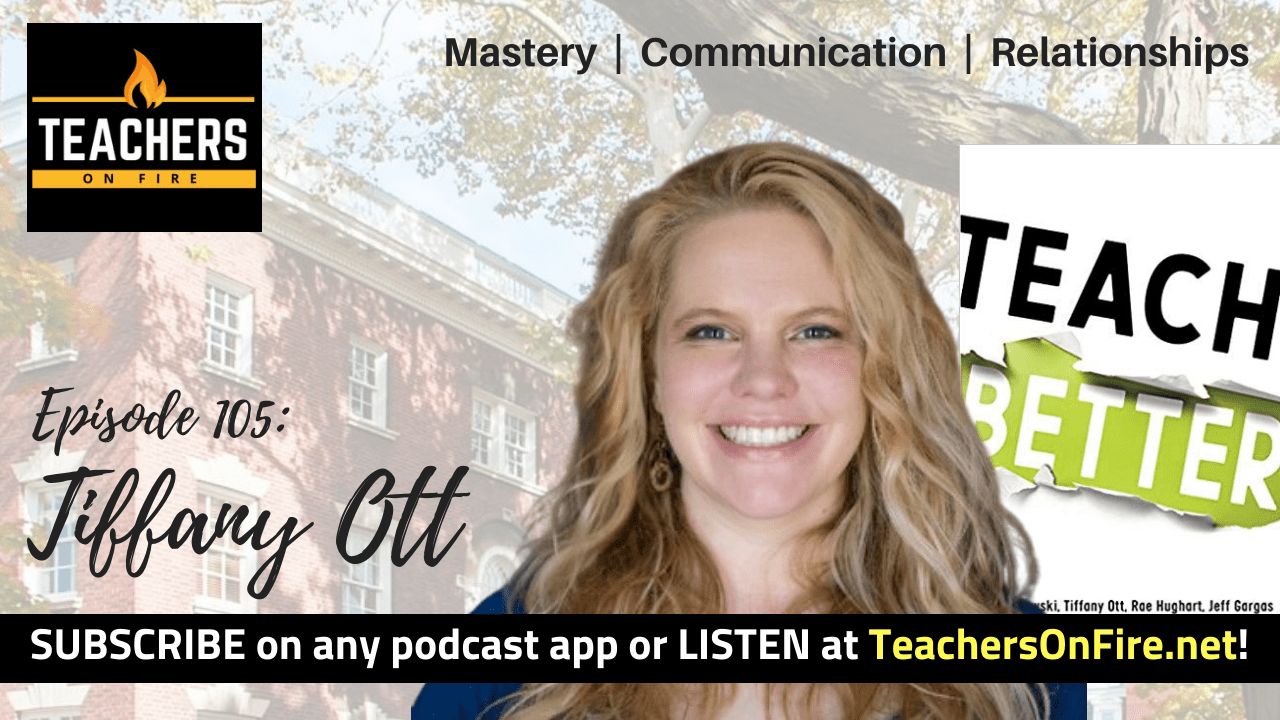
• Episode 105 – Tiffany Ott


    105 - Tiffany Ott.png

    Meet Tiffany Ott

    TIFFANY OTT is a high school Math teacher at Western Reserve Academy of Ohio, a Director of Curriculum Development with the Teach Better Team, and the founder of #MasteryChat. She’s also a co-author of the recently published book Teach Better, and she’ll be playing a big role in the upcoming Teach Better Conference.

    Tiffany recalls a time early in her career when she was teaching middle school in North Carolina. She and her husband were broke, Tiffany was pregnant, and the couple was short on options. After moving back to Ohio, Tiffany found a long-term substitute position that showed good potential to convert into a permanent position.

    She was teaching an enrichment class for students designated as gifted, and she introduced her learners to a unit on brain science, psychology, and mental health. Unfortunately, some of the parents of these students were skeptical and suspicious of her motives and complained – loudly – to administration. As a result, the substitute position didn’t convert to a permanent one, an experience that opened Tiffany’s eyes to the importance of communication and actively seeking buy-in from the entire learning community.

    When developing those relationships with your students’ parents, Tiffany encourages, try video newsletters. People seek connection today, and Tiffany has found that parents really appreciate who you are and what you are trying to achieve with their children when they can actually see and hear you.

    Teach Better: The Book

    Teach BetterTiffany describes the new Teach Better book from the Teach Better Team as part memoir, part inspiration, and part practical teaching strategies that educators can put into place immediately. The book includes a series of interwoven stories from four authors that detail their struggles, challenges, and victories in the classroom, accompanied by the realizations that they took away from those experiences.

    Teach Better is not about being perfect – it’s about being better than we were yesterday and better tomorrow than we were today. It’s about being constantly reflective, looking in the mirror and at our own practice, and asking “What is one thing I can do today to move my practice forward?” It’s grounded in the belief that every educator is capable of growth and improvement in their practice. “My heart and soul is in this book and I just hope people can find something that can help inspire them and push them forward,” Tiffany says.

    The book starts with “Get the hell out of my classroom!” – perhaps the lowest moment in Chad Ostrowski’s career, and you’ll be drawn in as you read his story. Tiffany is also passionate about chapters titled Expect Better and Complain Better, and she articulates how these mindset shifts can change the culture of buildings and make incredible impact in the growth and learning of students.

    #MasteryChat

    The weekly #MasteryChat on Twitter is Tiffany’s baby, and she’s as passionate about the conversations that happen there as she was when the chat first launched. Each week features a different guest moderator, and topics include everything under the sun of education.

    Like the Teach Better book, #MasteryChat is about incremental growth and improvement in educators, and Tiffany values the rich diversity of views and experiences that over 100 participants regularly bring to the conversation. This chat is not an echo chamber, she says – it includes robust discussion, occasional debate, and constructive pushback. Questions seek to go beyond buzzwords and cliches to actually stretch the thinking of educators and spark learning.

    What’s Setting Tiffany on 🔥 in Education Today

    Education is so exciting today because things have changed so much and continue to change so quickly. The opportunities for global connection, collaboration, and learning are greater than most educators have fully realized. Rather than be overwhelmed or intimidated by the pace of change, Tiffany says we should regard these movements of change as the fire that pushes us forward.

    A Professional Goal

    Tiffany speaks highly of the way that her school tackles professional goal-setting for its teaching staff each year. Rather than one-and-done fill out this piece of paper and move on, each educator’s professional goals are embedded in professional activities throughout the school year, allowing frequent review and follow-up.

    One of Tiffany’s main professional goals for this year is to build deeper connections with her colleagues. Her training and experience comes from the middle school levels, where team approaches to planning and instruction are often emphasized. The same can’t always be said of high school environments, where teachers sometimes experience more isolation and division by departments, levels, course streams, and other factors.

    There’s a lot to be gained when we come together and connect the dots across all kinds of content, Tiffany says, which requires taking the time to have more small and large conversations with colleagues. When we make ourselves vulnerable, genuine, and available to support others, we build the social connections that translate into significant professional and instructional gains for learners.

    One of Tiffany’s other professional goals is to make her math instruction more relevant for learners. Rae Hughart, one of Tiffany’s partners on the Teach Better Team, talks often about the importance of integrating community partners and businesses into the math classroom to show learners the relevance and application of the curricular principles they’re learning.

    Personal Passions: Baking and Crocheting 

    Educators neglect their personal passions and interests all too often, says Tiffany, and it comes at the expense of our learners. On the home front, Tiffany loves to cook and bake, activities that have formed great points of connection with her daughter. They watch The Great British Baking Show and other cooking shows together, and Tiffany takes great joy in hosting great meals and serving guests.

    She also enjoys art, sculpting, and crocheting – something that she is integrating in one of her math classes by asking students to crochet physical representations of hyperbolic planes. It’s a great example of a personal passion adding a dimension to the classroom learning environment. 

    The Secret to Her Productivity

    The credit for her incredible productivity, says Tiffany, goes to her husband. Not only does he cover for her during times of peak work and deadlines, but he acts as a good accountability check in terms of her mental health. When the stress and strain of responsibilities starts to make her crack, he doesn’t hesitate to make her take a break, step away, take a nap, or do what she needs to do to recharge. 

    The Teach Better Conference 

    Tiffany is thrilled about the coming Teach Better Conference – now just a few weeks away. The hosting team has crafted some unique experiences that will help attendees reflect, integrate, and apply the things they learn in practical ways. She’s also hoping that the conference will go a long way toward building the kinds of new professional relationships that will push educators collectively to be better every day.

    Voices & Resources That Inspire Tiffany’s Thinking

    Over on Twitter, Tiffany recommends following Danny Steele @SteeleThoughts. Whenever she feels like she may be losing her fire, no one rekindles her motivation and passion for education like Danny Steele.

    Tiffany’s edtech tool of choice right now is Gimkit. Think Kahoot but with a gambling factor, Tiffany laughs. There are few better and more engaging means of collecting formative assessment from learners in real time.

    Lies My Teacher Told MeFor a book pick, Tiffany points to a modern education classic – Lies My Teacher Told Me: Everything Your American History Textbook Got Wrong by James W. Loewen. This title will open your eyes and widen your perspective on western history and its inherent biases.

    It’s no surprise, but Tiffany’s favorite education podcast is Teach Better Talk. She doesn’t point to this one because she has to, she says. Hosts Jeff Gargas and Rae Hughart keep her laughing and never fail to bring new insights and strategies that move her practice forward.

    Tiffany is no stranger to video communication, and on YouTube she suggests subscribing to Michael Matera’s channel. The author of Explore Like a Pirateclassroom teacher, and producer of the Well Played podcast is a very, very smart guy and a fantastic person, too.

    Finally, and just for fun, when Tiffany gets Netflix time it’s spent on The Great British Baking Show, which has been a great source of inspiration and a point of connection with her daughter.

    We sign off on this fun conversation, and Tiffany gives us the best ways to connect with her. See below for details!

    You can connect with Tiffany …

    Connect with the Teachers on Fire podcast on social media:

    Song Track Credits

    Listen on YouTube and subscribe to the Teachers on Fire channel!
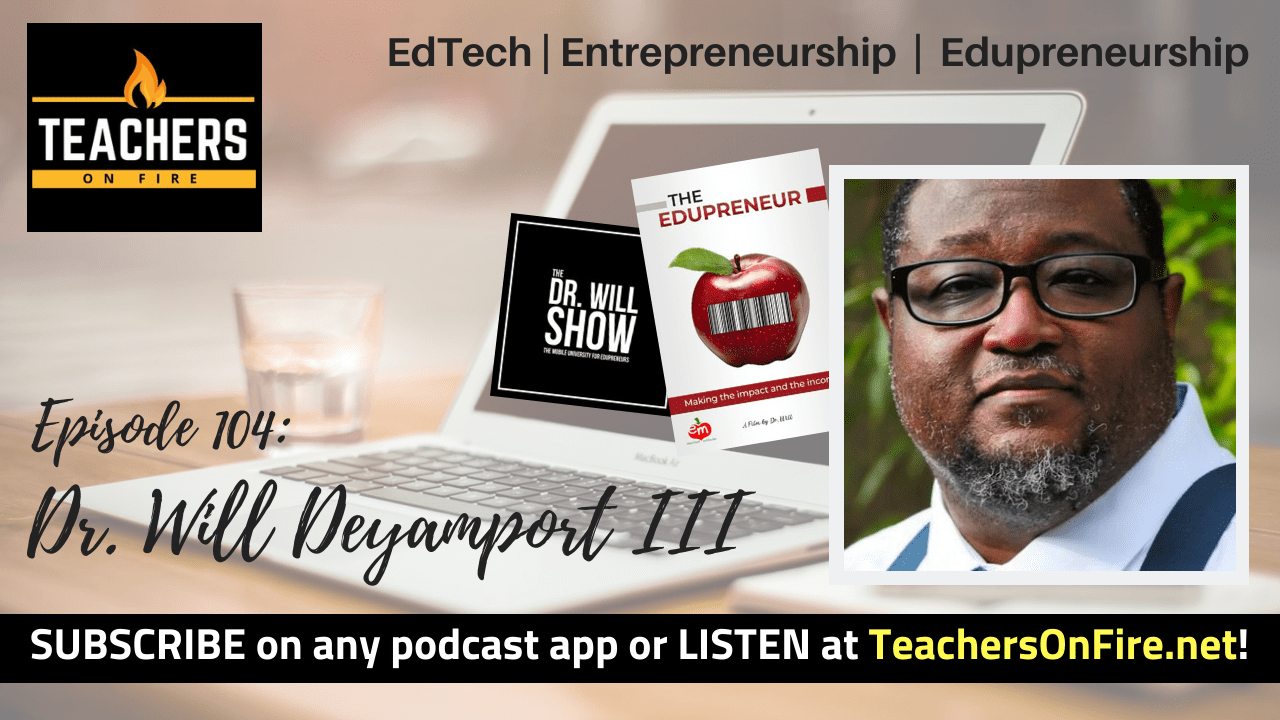
  • Episode 104 – Dr. Will Deyamport III


    104 - Dr. Will Deyamport III.png

    Meet Dr. Will Deyamport III

    Dr. Will Deyamport III is an instructional technologist, educational consultant, documentary producer, keynote speaker, freelance writer, and the producer of the Dr. Will Show, a podcast for educators looking to make an impact and generate income in the process.

    Accepting the Things Beyond His Control

    Dr. Will recalls a time from a couple of years ago when the district budget dictated cuts in his department. When the news came down that cuts were coming, he remembers feeling shaken and disillusioned. Although he suspected he was in line for a pink slip, he made sure to end the school year by fulfilling all of his responsibilities to the best of his ability.

    Eventually, Dr. Will actually discovered that his job was intact, but the close brush with a layoff left him with feelings of lingering discouragement and resentment. Those feelings changed after a conversation with a colleague who reminded him that jobs and positions are ultimately in the hands of God – not school districts. Her comments helped change his perspective on his situation and gave him more peace over challenges that fall outside of his control. 

    An Amazing Educator

    Dr. Will recently received recognition as an Amazing Educator in his department, and he credits the quality and timeliness of his work for the gesture. He appreciates the people he works with and tends to get after tasks quickly and well – it’s the best way to serve others, lighten his load, and move on with his day.

    The Dr. Will Show: Impact and Income

    The tagline of The Dr. Will Show (podcast) is the mobile university for entrepreneurs, where Will focuses on personal development, entrepreneurship, and edupreneurship. He defines an edupreneur as an educator who wants to build an education-based business.

    The original intent of his podcast was to talk about issues in pedagogy like blended learning and technology integration – areas of expertise that would build his credibility and visibility as an educational consultant. But after some time in this space, he decided to start asking other questions:

    • Who are we as human beings?
    • How can we become better people?
    • How can we self-actualize and tap into our purpose?
    • How can we fully utilize our talents to benefit others while also increasing our income and quality of life?

    These are the questions that drive The Dr. Will Show today. 

    About The Edupreneur

    The Edupreneur - a documentary by Dr. Will Deyamport IIIDr. Will’s documentary, The Edupreneur, profiles prolific educators, authors, speakers, and consultants who have built impactful resources, businesses, and incomes in the education space.

    To educators who are skeptical or squeamish about the idea of charging money for services, Dr. Will says simply to “Get over it.” As an educator, you’re investing time, money, and effort to develop resources to serve learners and other educators, and there’s absolutely nothing wrong with earning some money and reaping the benefits of your hard work. Deciding to charge money for your resources, your voice, or your time is simply an acknowledgment of your genius – your unique blend of experiences, knowledge, and expertise that you offer.

    Free is great, says Dr. Will, but we need to move past the notion that absolutely everything in education needs to be free. If we want to encourage the creation of great resources and the promotion of impactful ideas in education, we need to be willing to move from free to fee. Learners benefit, and creators are supported – it can and should be a win-win situation.

    It can be naive and even dangerous to simply lean back and trust our districts to take care of us as educators and people. Instead, we should take the initiative to constantly build our own expertise, voice, and services in order to increase our professional value and strengthen our job security along the way. 

    Define Your Personal Brand

    I asked Dr. Will to speak to educators who consume content from other educators but feel like they have no voice or nothing of significance to add to the education conversation themselves. “Educators have to [create],” says Will. “Everyone is a brand.”

    Your brand is your reputation, the value that you add to individuals, organizations, and the world. We now live in the world of Google, which means we are Googleable. When your name is searched, what are the results that come up? What narrative is being shaped about you? If you are staying in a passive role, you are allowing other people to tell your narrative in their terms. But instead of leaving your story in the hands of others, Dr. Will urges, start creating content that tells your story and shares your ideas in your own words and on your own terms.

    What Else is Setting Dr. Will on  🔥 in Education Today

    Other passions for Dr. Will include online learning, entrepreneurial thinking, and financial literacy. These are all areas that are still largely underdeveloped in our schools and districts, but they are essential skills for the twenty-first century. Educators and learners alike have only begun to realize the tremendous potential of video conferencing platforms, for example, that can shrink the world and bring experts to our classrooms.

    A Professional Goal for This Year: Building an Online Academy

    One of Dr. Will’s immediate goals is to support the development of an online academy for his school district. He’s already begun the work of creating courses in Schoology, but he’d like to do much more in terms of collecting the unique genius and resources that each educator brings for the time that they spend with the district. This might include webinars, video exemplars, clips from teaching, testimonials, vlogs, and other media resources that will help learners and educators to follow.

    Areas of Personal Learning and Passion

    Outside of his professional work, Dr. Will enjoys learning about entrepreneurship and personal development, and he starts many of his mornings watching YouTube channels dedicated to these topics. He also likes learning about African American history and culture, particularly contributions within Islam.

    A Personal Productivity Practice

    Dr. Will doesn’t keep a to-do list, partly because multitasking simply builds pressure and raises anxiety, making him less productive. Instead, he tries to do work quickly and do it well, keeping the people he serves happy and himself in a good headspace.

    Voices & Resources That Inspire Dr. Will’s Thinking

    Over on Twitter, Dr. Will recommends following Dr. Sarah Thomas @SarahDaTeechur. She’s a technology coordinator, professor, speaker, publisher, founder of the EduMatch Project, and one of the most generous educators out there today. Get to know Sarah better in episode 66 of the Teachers on Fire podcast.

    One edtech tool at the top of Dr. Will’s list is Zoom, which allows educators to connect, bring speakers into the classroom, and preserve learning through the recording of webinars. Learning is moving to video on demand, and Zoom is leading the way.

    104 - Malcolm XThe book that changed Dr. Will’s life is The Autobiography of Malcolm X: As Told to Alex Haley by Malcolm X, Alex Haley, and Attallah Shabazz. It’s the kind of book that will motivate anyone to get their stuff together, Dr. Will says.

    Dr. Will gets his creative and entrepreneurial inspiration from podcasts like The Sunny Show and Jasmine Star – Making the Impossible Possible. For a great education podcast, tune into 8 Black Hands, a podcast produced by passionate educators who also happen to be African American. Follow this podcast on Twitter @8BlackHands1

    On YouTube, Dr. Will singles out Sunny Lenarduzzi, Vanessa Lau, and Jasmine Star – great content creators who model what it means to effectively build a brand, serve others well, and share what it is you are all about.

    A bit of a movie buff, Dr. Will has been enjoying a series on Netflix called Raising Dion, which features a strong African American cast and a very compelling storyline.

    We sign off on this fun conversation, and Dr. Will gives us the best places to find him online. See below for details!

    You can connect with Dr. Will …

    Connect with the Teachers on Fire podcast on social media:

    Song Track Credits

    Listen on YouTube and subscribe to the Teachers on Fire channel!

  • Episode 103 – Lisa Johnson


    103 - Lisa Johnson

    Meet Lisa Johnson

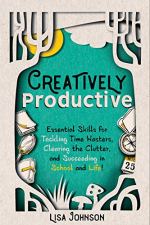
    LISA JOHNSON is an educator by day, blogger by night, and the author of Creatively Productive: Essential Skills for Tackling Time Wasters, Clearing the Clutter, and Succeeding in School—and Life.

    She loves everything in Austin, Texas – except the heat! You’ll find her at Westlake High School, which serves almost 3,000 students with 220 teachers on staff. Her role has evolved from an educational technologist to a merged position that now includes curriculum specialist. Today, she works with a partner to support English and science instruction, and she also offers a range of services and seminars to students and parents related to all things digital.

    When Content Creation is Seen as a Threat

    Earlier in her career, Lisa was working for a different district and wanted to have a way to share and archive her thoughts, ideas, and lessons that she was developing for other educators. She was also concerned that if she ever left the district, everything she was creating and sharing would not only be gone for her but for everyone else that had enjoyed her resources outside of the school.

    She eventually started her own blog, TechChef4U, and launched a podcast to support commuting teachers. In addition, she began to seriously build her professional learning network by connecting with like-minded educators on Twitter and on other platforms.

    Eventually, Lisa was called in to visit the district office and was questioned about her blog and her loyalty to the district. She remembers being taken aback by the questions because all she wanted to do was support innovation and push boundaries in education.

    Unfortunately, her blog activities didn’t sit well with this district, and she started looking for another job that summer. It wasn’t her intention to leave the district and uproot her family, but at some point, she says, you have to find your tribe – educators who share your goals, values, and vision for learning.

    When she found her current district, she found people like her – people that wanted to innovate, push boundaries, ask questions and thrive. She’s thankful for an amazing team at her high school and an awesome principal that really values the work she does and lets teachers have the autonomy they need to lead and help others grow.

    The Heart and Mission of Creatively Productive

    Creatively Productive by Lisa Johnson

    Lisa’s heart and mission has always been to create thoughtful and practical content for teachers that they can use immediately with their students. She loves working with secondary students and staff, and believes it is really important to focus on college and career readiness skills. Lisa has also been a keen observer of secondary school life has noticed some trends and needs over the past 7-8 years. Many of these trends and needs are addressed in this book.

    Lisa is often asked to create, share, and teach content that relates to self-management and executive functioning skills, including note-taking, digital organization, goal-setting, habit tracking, and time management – twenty-first century skills that students need to thrive in high school and throughout their lives. She has also been working with librarians and the campuses across her school to do lunch-and-learns for students in order to support them regarding these topics and tools.

    Instead of hoarding resources, Lisa has always wanted to curate and share with the greater edusphere. Rather than dump a bunch of one-size-fits-all formulas, her goal for Creatively Productive was to put together a selection of recipes that might inspire learners and educators from all contexts to adopt and adjust for their own purposes. This book represents more than just “Lisa’s thoughts on productivity” – it’s a practical playbook of suggested solutions and resources that come from the practical challenges and experiences that she has encountered in contexts of learning.

    What Else Sets Lisa on 🔥 in Education

    When her head isn’t in spaces of creativity, productivity, and time management, Lisa is thinking about digital literacy. Lately, she’s been reminded of the importance of thoughtful sharing and posting.

    As educators, we’ve been saying it for what seems like forever, but our students need frequent reminders that the internet never forgets. We do our learners a huge service when we impress on them the need for awareness and sensitivity to the perceptions of others. The goal here is not to hide core identities and values as much as it is to consider the long-term implications of our content. How could this post affect my options in the future?

    A Personal Passion with Application in Education

    Lisa loves her reader’s notebook and credits it with helping her grow as a professional. She finds it cathartic to reflect on what she’s been reading and feels like she retains more ideas and information by adding to it frequently. Most importantly, her reader’s notebook also enables her to apply resonating content directly into her practice. She used to just shelve books without sharing what she was reading, but the reader’s notebook has forced her to slow down, process, apply, and share with others.

    Her reader’s notebook routine includes trying to reproduce a version of the cover of the book she’s reading, collecting ephemera related to the book, writing a lexicon library of words and phrases, highlighting great quotes, and collecting points to consider or investigate further.

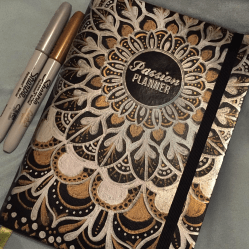
    Lisa’s Favorite Productivity Tool: Passion Planners

    Passion Planner“If I didn’t have my passion planner, I might as well not get out of bed,” Lisa laughs. Her Passion Planner is home to all her lists, priorities, ideas, and creative thinking throughout the day. She recently shared a video walkthrough of her Passion Planner that highlighted the tools she uses, including macro and micro lists (check it out on Instagram). She also loves her Polaroid Zip printer which prints photos on sticky backs, allowing her to savor the highlights from each week in scrapbook fashion.

    Voices & Resources That Influence Lisa’s Thinking

    Over on Twitter, Lisa recommends following Julie Smith @JGTechieTeacher, a reliable source of great edtech ideas and solutions for the classroom.

    One handy edtech tool that supports student voice in the classroom is an iOS app called Equity Maps. The app helps teachers track who speaks in a discussion, for how long, who doesn’t speak, who interrupts, and so on. Follow the app’s maker, Dave Nelson, on Twitter @EquityMaps.

    Lisa is all about mixing in some juicy fiction with her education and technology reading, and she’s got a couple of strong recommendations to share here. The first is Verity, written by Colleen Hoover, and the second is After: The After Series, Book 1 by Anna Todd. Both writers have shot into stardom fairly quickly, and Lisa was privileged to meet both of them in person at a recent Book Bonanza event in Dallas.

    As for podcasts, Lisa shares two picks: Change the Narrative by Michael Hernandez, and The Shake Up Learning Show with the legendary Kasey Bell

    Sticking with the Passion Planner theme, when Lisa is on YouTube she is checking in with the Passion Planner channel

    And finally, just for fun: when Lisa finds time for Netflix, she’s tuning into shows about women who do things differently! Her first shoutout goes to GLOW and the second to Working Moms.

    We sign off on this fun conversation, and Lisa gives us the best ways to reach out to her. See below for details!

    You can connect with Lisa …

    Connect with the Teachers on Fire podcast on social media:

    Song Track Credits

    Listen on YouTube and subscribe to the Teachers on Fire channel!

  • Episode 102 – Dr. Jacie Maslyk


    102 - Dr. Jacie Maslyk

    Meet Dr. Jacie Maslyk

    DR. JACIE MASLYK is an educator, speaker, and author at ISTE, SolutionTree, and Steam-makers.com. She’s an Assistant Superintendent for the Hopewell Area School District just 30 miles northwest of Pittsburgh, PA, and she brings a passion for #STEM education, makerspaces, literacy, leadership, and creativity in education.

    Stonewalled as a Young Administrator

    Soon after Jacie became a principal at the age of 30, a veteran teacher approached her and flatly stated that there was nothing she could learn from her. It was an instant realization for Jacie that she was going to need to break down stereotypes and build trust with the teachers in her building.

    Eventually, this initial antagonism softened into a mutually beneficial relationship, but it took work to get there. It required demonstrating her commitment to the school, to the staff, to the learners, and the community over the long term.

    The Heart and Mission of Unlock Creativity

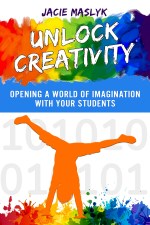
    Unlock Creativity by Dr. Jacie MaslykIn the past, says Jacie, school systems have been focused on data and accountability, a mindset that has led to an overdependence on standardized tests and rigid structures. That mindset seems to be shifting into an era of innovation that is paving the way for creative thinking in classrooms.

    It starts with teachers, she points out: when educators believe that they are creative and have the ability to do creative things, that passion and interest spills over into their classrooms and into the imagination of students. Teachers must find more ways to model creativity and vulnerability with and beside their students so that they can see active models of creativity and failure and perseverance in front of them. As a result, students will become more passionate learners and grow to become critical and creative thinkers as adults.

    What is your creative outlet? Whatever it is, share it with your students, Jacie says. You never know what might connect in a powerful way with one or more of your learners. 

    What’s Setting Jacie on 🔥 in Education Today: Maker Education

    Jacie feels like she’s been on fire for maker education for quite some time, but lately she’s seen even more of a resurgence. Maker education is a fantastic way to build full engagement with every learner and provide equitable on-ramps for students who .

    When students are given opportunities to learn with their hands, their learning can grow exponentially. On top of that, STEM learning and maker education builds the very skills and dispositions that are so critical in the 21st century economy: flexible thinking, tolerance for ambiguity, problem solving, improvisation, and so on. If you’re looking for practical makerspace ideas, check out Instructables, Maker Maven, and Demco.

    Professional Goals and Growth

    “I’m always looking to learn and grow from others,” says Jacie, crediting her engagement with social media for her deepened hunger for learning and exposure to new ideas. Among other projects, she’s currently working with Kristen Nan on a new book that will combine views from central office with views from the classroom. The book’s theme will be built around Las Vegas, focusing on the bets that we need to make in education today. Keep an eye out for this one!

    Personal Passions and Continued Learning

    Jacie’s biggest area of learning at the moment is her sons and their passions, including professional wrestling and American Ninja Warriors. She enjoys the time they’ve spent lately on their own American Ninja obstacle course in the back yard.

    Her Tried and True Personal Productivity Hack

    When it comes to personal productivity, Jacie says she remains a fan of the old school notebook. Whether it’s a to-do list, some reflections, a quote that resonated, or anything else that grabs her attention, she enjoys the process of physically writing things down and carrying them with her in a tangible way.

    Voices & Resources That Inspire Her Work

    Over on Twitter, Jacie recommends following @FroehlichM, guest on episode 51 of the Teachers on Fire podcast and host of the Teachers Aid podcast. Mandy is currently offering a free course based on teachers wellness and self-care.

    The one edtech tool that Jacie currently considers indispensable is Voxer, her daily source for real-time professional development. 

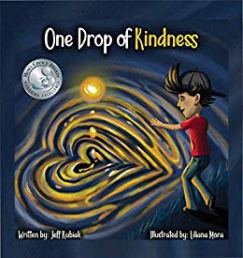
    One Drop of KindnessWith two young boys in tow, a lot of Jacie’s current reading is in children’s books. Two of her favorites in that category are One Drop of Kindness by Jeff Kubiak and EngiNerds (MAX) by Jarrett Lerner.

    Jacie’s got two favorite podcasts, and both are hosted by former guests and friends of the Teachers on Fire podcast: Teach Better Talk, hosted by Jeff Gargas and Rae Hughart, and STEM Everyday Podcast, hosted by Chris Woods.

    We sign off on this inspiring conversation, and Jacie gives us the best ways to connect with her. See below for details!

    You can connect with Dr. Jacie …

    Connect with the Teachers on Fire podcast on social media:

    Song Track Credits

    Listen on YouTube and subscribe to the Teachers on Fire channel!
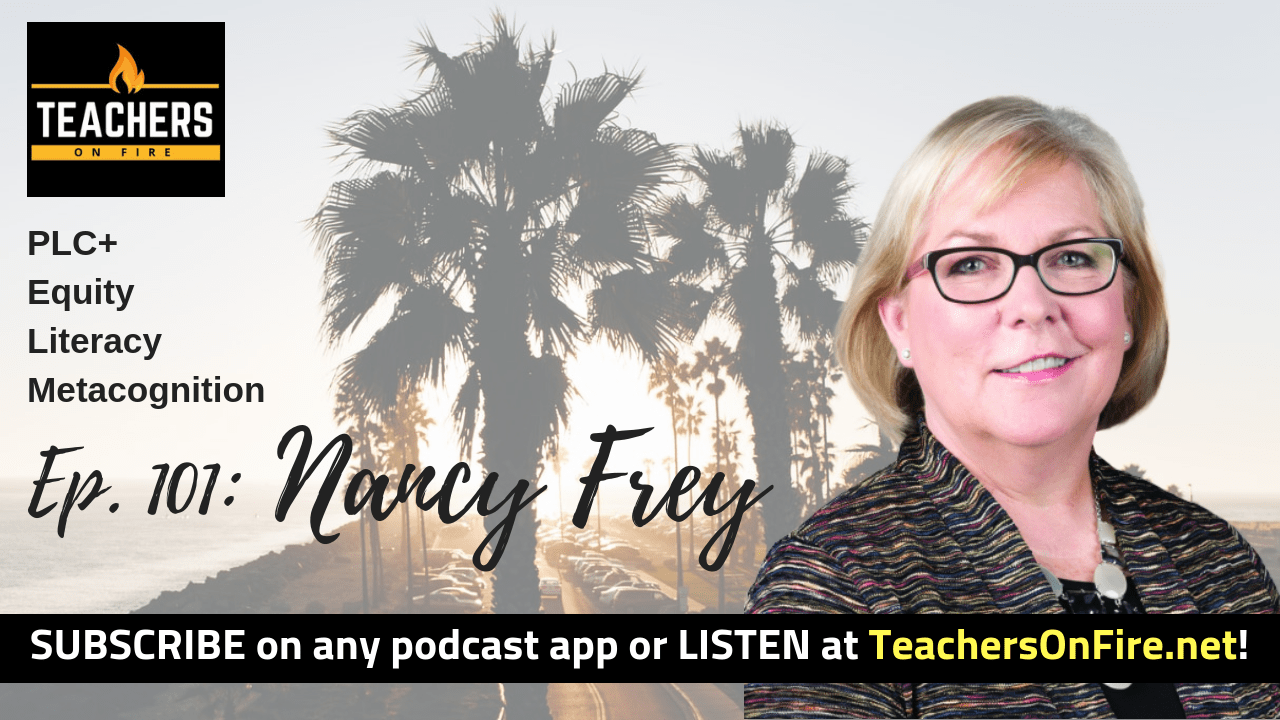
  • Episode 101 – Nancy Frey


    101 - Nancy Frey.png

    Meet Nancy Frey

    NANCY FREY is a Professor of Educational Leadership and Literacy at San Diego State University at the graduate and doctoral levels. She’s also an instructor at Health Sciences High and Middle College, a secondary charter school which she co-founded 13 years ago with Doug Fisher and others. The school runs from grade 8-12 with about 700 students, and her teaching practice there helps to make sure that the ideas she advocates for in her research and writing actually work in practice.

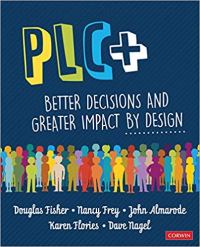
    Nancy has also authored or co-authored a number of books, including PLC+: Better Decisions and Greater Impact by Design.

    Rocked By a Hurricane

    When asked about a low moment, Nancy thinks back to the time she spent teaching in south Florida. One year, Hurricane Andrew hit the area just days before school opened. The storm exacted a heavy toll on the communities across the region, causing her district to expand very quickly due to damaged and destroyed schools in nearby counties. More significantly, almost every additional student came into the district with significant emotional trauma.

    It was a difficult year that even made Nancy challenge her place in the profession, partly because she felt so unprepared to offer the guidance, comfort, and support that her learners truly needed while also promoting their academic growth and development. Thankfully, with a mix of inner commitment and support from colleagues, Nancy remained an educator, and she now credits this year with giving her valuable experiences and perspectives regarding trauma-informed education.

    What is Visible Learning?

    Visible Learning is the terminology used to refer to the research engineered by John Hattie, who used a meta-analysis to review hundreds of academic studies in an effort to determine what truly works in education. From this research, he and his team have created an index of what he calls effect sizes: how do different interventions positively or negatively affect learning outcomes?

    With close to 300M students represented in these studies, this research can say with authority what works and what doesn’t in education. Supported by the groundbreaking research and resources from Visible Learning, schools and districts no longer need to guess about where to apply their energies. 

    Taking Your PLC to the Next Level: PLC+

    PLC+ by Nancy Frey and Douglas FisherIn PLC+: Better Decisions and Greater Impact by Design, Nancy and Doug Fisherlook at the power behind professional learning communities and apply the latest research to suggest ways to take PLCs to the next level. The ‘+’ in PLC+ is you – what it is that you bring to your learning community.

    The book organizes the PLC+ process around five key questions:

    1. Where are we going? What is our destination?
    2. Where are we now? Take a situational assessment.
    3. How can we move learning forward?
    4. What did we learn today? How are we enriching ourselves as a PLC so that we can continue the work that we’re doing?
    5. Who benefited and who did not? This is the essential question of equity.

    These questions are grounded in four universal values:

    • Equity,
    • Higher expectations,
    • Activation, and
    • Individual and collective efficacy – belief in our ability to effect change.

    In Nancy’s view, PLCs and our perceptions of them have tended to become more restrictive over time. Twenty-first century manifestations of PLCs should actually integrate well with PLNs in the sense that every member of a PLC must remain engaged in a PLN in order to further support their own learning and allow them to better contribute to their PLC. Other strategies like micro-learning and learning walks must be parts of robust PLCs as well.

    Building Literacy Through the Tools of Metacognition

    When I asked Nancy for some quick advice for the literacy classroom, Nancy pointed back to John Hattie. Do you know your impact? Do you know when your students have learned something? These are the questions that must drive everything we do in literacy and throughout K-12 education.

    In the literacy classroom we must also ask ourselves how we are bringing students into the learning. This goes beyond ensuring content relevance – it means that students must understand WHAT they are learning, WHY they are learning it, and HOW they will know that they have been successful in learning it. Learning intentions and success criteria must be made clear to learners in every lesson, and when it comes to English classes, progress tends to be incremental – they’re generally not leaving a 30-minute lesson with a brand new skill.

    With that in mind, we must give students the tools of self-assessment: how can students look at their own work and gauge their own growth and progress? How can we equip our learners to critique the work of peers? For English teachers looking to empower their students in this area, Nancy points to a few titles including Developing Assessment-Capable Visible Learners, Grades K-12: Maximizing Skill, Will, and Thrill.

    Other Areas That Are Setting Nancy on 🔥 in Education

    Nancy is very intrigued by the ways that technology is being effectively embedded and woven into instruction today. She points to the ways that our views of technology in education have changed from past decades: from computer lab to essential tool. Technology tools can be a double-edged sword, however, because technology itself is no assurance of learning, and in fact, we still don’t fully understand how technology changes the ways in which students learn.

    Today, high school students walk around with computers in their pockets – devices more powerful than the computers that first sent spaceships to the moon. On the one hand, these phones can be the bane of a teacher’s existence, but on the other hand, educators must better harness this technology in order to advance learning.

    The questions around phones and phone policy in schools are not easy ones to answer, but we must continue to struggle and learn in this area. (Editor’s Note: Check out my exploration of this issue at On Schools and Cell Phones.)

    Is Handwriting an Essential Literacy Skill?

    Should pens and pencils remain part of the writing classroom? Nancy says that students should be exposed to a wide continuum of learning experiences. Evidence also suggests that the motor functions involved in writing seem to inform the abilities of young learners to break the code (decode letters and words). Young children should know how to engage in print and cursive, and older students should at least have the capacity to sign their name. Nancy shares her experience from a recent class of seniors – many of whom struggled to sign a document in cursive. Yes, young learners should learn how to keyboard, and voice-to-text will continue to change the nature of composition. 

    Professional Goals for This Year

    Nancy’s annual and evergreen goal is to ask: How can I be a better teacher this year? If that isn’t a question you’re asking, Nancy chuckles, it may be time to look for a new profession. Lately, Nancy has been writing about the intersection between teacher credibility and collective efficacy and the ways in which these two constructs can support and promote the other.

    Nancy is also intrigued by the ways that students learn about their own learning through practice tests. Do students know what they’re learning and what they’re not learning?

    Personal Passions Outside of Education

    One activity that ignites Nancy’s passions and brings her alive as a human being when she leaves the halls of education is her work with kettlebells. She has participated in functional fitness workouts with kettlebells and the kettlebell community for the last six or seven years, and she is consistent. “Strong is the new skinny,” she says. She hits her gym about six days out of seven, and it’s formed a big part of her personal wellness.

    A Productivity Habit: Meditation

    The personal habit that has been making the biggest difference for Nancy in the productivity space is meditation. She meditates for 15 minutes after waking up each morning, and she finds that she is more productive as a result. It’s time to be quiet, to be mindful, to be self-aware, and to slow down. Nancy uses the Calm app and is competitive enough that her personal streaks are important to her, and she even appreciates the badges earned over time.

    Voices & Resources That Inspire Nancy’s Practice

    On Twitter, Nancy is a big fan of the #G2Great hashtag and regular Twitter chat.

    As far as edtech tools go, Nancy loves what smartpens do for learners and learning in the classroom. There are so many uses for smartpens that fit within UDL and increase equity for all learners.

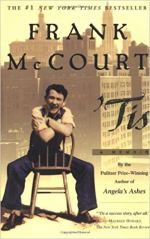
    Tis by Frank McCourtNancy’s all-time favorite read is Tis: A Memoir by Frank McCourt. This classic describes the life of an English teacher in New York City from an earlier time.

    In the world of podcasts, Nancy’s pick is Disgraceland, which unpacks the spectacular missteps and disasters that have followed countless pop music stars. It’s a guilty pleasure and Nancy can’t get enough of it.

    On YouTube, Nancy is a big fan of the resources shared on the Teaching Channel. Get to know the Teaching Channel on Twitter @TeachingChannel

    Yes, Nancy does occasionally find time for Netflix! One of her favorite series of late was Russian Doll

    We sign off on this conversation, and Nancy gives us the best ways to follow her and connect online. See below for details!

    You can connect with Nancy …

    Connect with the Teachers on Fire podcast on social media!

    Song Track Credits

    Listen on YouTube and subscribe to the Teachers on Fire channel!